
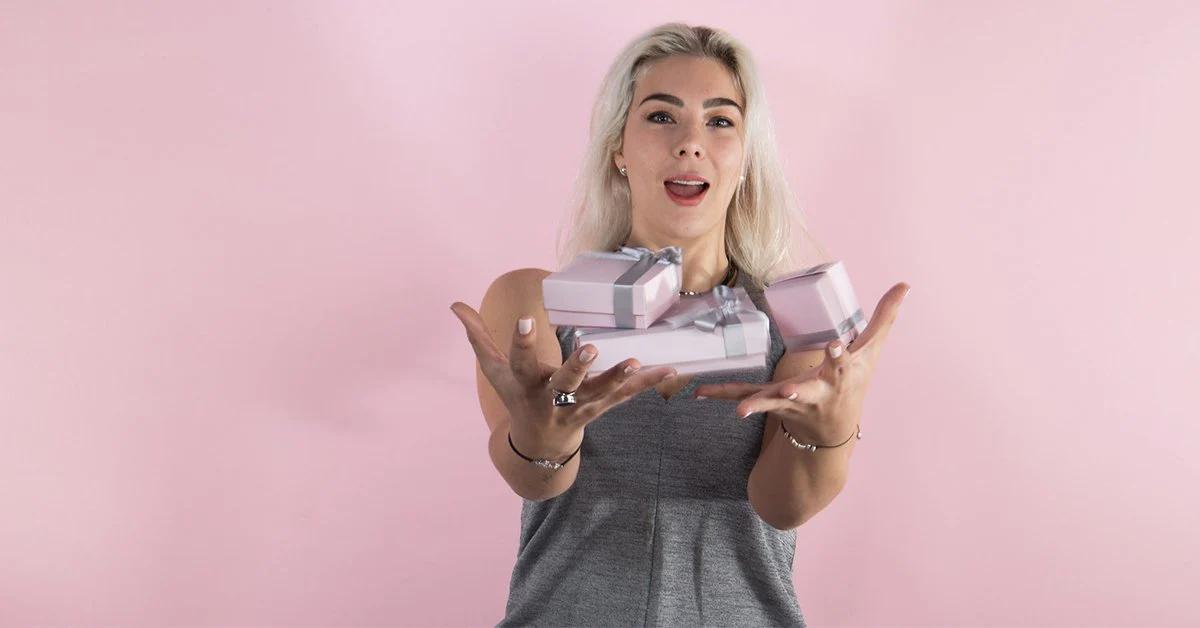
Esta tutorial ha sido creada por 2 emprendedores que iniciaron su negocio en 2006 y ahora exportan a Estados Unidos y Europa. Además, tienen franquicias con su marca y venta de mayoreo de plata certificada apoyando a nuevos emprendedores.
Es un negocio muy rentable
Vender joyería de plata es uno de los emprendimientos más rentables. Si sabes elegir el inventario adecuado, puedes lograr ganancias muy bondadosas, además de que la plata es un material muy fácil de transportar, por lo que puedes llevar mucho dinero en muy poco espacio (ideal para tienda en línea también). Otro beneficio de un negocio de platería es que ahorras inmediatamente en tu inversión, porque los modelos no tienen diferentes tallas (exceptuando los anillos), y finalmente este negocio tiene otra gran virtud: si manejas un metal precioso como la plata tu inventario se convertirá en una inversión, los metales preciosos como la plata siempre tienden a subir de precio.
Solo un poco de nuestra historia
En 2006 Vanessa y Jorge dejaron de ser empleados para convertirse en emprendedores y comenzaron a vender joyería de plata entre conocidos y familiares. Después de todos estos años de experiencia y más de 20 aperturas de puntos de venta y tienda online, ellos te compartirán cómo lo lograron.
Todo emprendimiento debe de tener un plan a largo plazo y una serie de pasos que debes de llevar a cabo para acercarte poco a poco a esa meta profesional. Al final de esta tutorial tendrás un plan inicial para que puedas lanzar tu propio negocio de plata y hacerlo crecer hasta donde tú decidas.
Este texto contiene dos partes principales, la primera donde mencionamos ocho elementos clave para que puedas iniciar con el pie derecho. La segunda es una lista de todas las actividades que pudieras desarrollar a lo largo de los tres primeros años de tu emprendimiento.
Esto te ayudará a afinar la puntería y entender todos los retos que tendrás por delante.
Apartado 1
Los 8 elementos más importantes para iniciar tu negocio de joyería.
- Disciplina
Debes de definir muy bien lo que vas a hacer cada semana, asignar el tiempo dentro de tus posibilidades y cumplir tus tareas religiosamente.
Cuando inició nuestro negocio, definimos muy bien lo que debía de ocurrir: comprar la mercancía, lograr citas con nuevos clientes, visitarlos, cobrar y repetir. Todo esto lo hacíamos cada semana en el tiempo asignado a esa tarea, así estuvo Vanessa durante dos años, para después abrir su primer punto de venta.
“La disciplina es el trayecto directo y sin escalas al éxito, sabemos que sin esta virtud todo será más difícil”.
- Mezcla de Inventario adecuado
En el inventario siempre estarán las ganancias, si te quedas con mercancía que no vendes… ¡ahí se queda tu dinero! Y por el otro lado, si no tienes la mezcla y cantidad adecuada no venderás con todo tu potencial. En cuanto a la mezcla, ésta la decidirán tus clientes. Debes de poner atención al tipo de joyería que les gusta y seguir comprando del mismo estilo.
Sobre la cantidad de inventario, ésta dependerá de cuántos clientes proyectas tener y tu expectativa de venta. Existe un indicador muy importante: las semanas de inventario. Las semanas de inventario consisten en multiplicar tus ventas deseadas por diez. Ejemplo: Si deseas vender $5,000 pesos semanales, deberás de tener disponible $50,000 en inventario, a precio de venta. Este número 10 es el que hemos utilizado nosotros a lo largo de 15 años y nos ha funcionado muy bien, logrando y superando nuestras expectativas de venta.
Tener un catálogo puede ayudarte al principio, pero tener el producto listo para vender te ayudará a cerrar las ventas por lo menos en el 50% de los casos. No olvidemos que de la vista nace el amor.
Efectivamente, puedes iniciar con poca inversión, considera que es importante que durante los primeros meses te dediques a reinvertir en inventario para tener una oferta competitiva, y hasta tener el volumen que pueda darte tus expectativas de venta.
Si tienes menos de 10 semanas de inventario estarás perdiendo potencial de venta y si tienes más estarás dejando tus ganancias en el inventario.
Un negocio de venta rentable solo será exitoso si cuenta con la variedad, la cantidad correcta de inventario y los precios correctos.
- Organizar tu semana
Para lograr hacer que sucedan las cosas, se deben de proyectar, y es por esto que debes de planear muy bien tus actividades. A continuación una lista de lo que hacíamos para que lo tomes como base:
- Lunes: Comprar lo que vendiste la semana pasada. Hablar con actuales y futuros clientes para visitarlos y venderles, tratando de tener al menos 2 citas por día de martes a jueves. Prepararlo, limpiarlo, etiquetar y lo que pudieras necesitar.
- Martes a Jueves: Dos a tres citas de venta por día. Cierre de venta y limpieza de mercancía. Asegurarse de llevar los pedidos especiales que te hayan hecho los clientes. Cobrar, bendito dinero.
- Viernes: Recibir y acondicionar compras del lunes. Revisar las ventas que lograste en la semana. Decidir si necesitas comprar algo más además de joyería (papelería por ejemplo). Conseguir citas. Si cumples tu meta de ventas, tómate el resto del viernes para ti, ¡bien merecido!
Planea tu semana o de lo contrario caerás en el plan de alguien más ¿y sabes que tiene preparado para ti? No mucho…
- Planear lo que ocurre durante tu cita de venta
Cada cita de ventas es diferente, te ponemos los principales pasos para que los adecues según sea necesario:
- Nunca llegues tarde a una cita, eso baja el ánimo de tu(s) cliente(s) y podrías perder la venta.
- Llega con la mejor actitud, sonrisa, bien arreglada/o, usa joyería de la que vendes, porque ésa es la que venderás con mayor facilidad. No te quejes de nada, a partir de este momento tú eres la que maneja la cita y mientras más positivo sea el ambiente, más fácilmente lograrás la venta.
- Evita causar cualquier molestia, procura no pedir nada y lleva lo que necesites como pluma, calculadora, espejo, notas, cambio… tú sabes mejor que nadie qué podría faltar de última hora..
- No todo es color de rosa, a los nuevos lugares que vayas tienes que llegar con la mentalidad de que hasta el baño de mujeres pudiera ser una opción para vender tu joyería.
- Labor de venta
Aquí viene lo bueno: ¡hay que manejarse con toda la actitud!: ser muy casual y natural. Lo importante es vender, pero no nos comportemos como si fuera obligatorio. Tu joyería debe de ser tan atractiva en diseño, calidad y precio, que casi casi pueda venderse solita.
Dedícate a estar atenta/o, para terminar de animar y convencer al cliente de que esa pieza o piezas que eligió son las mejores. Es momento de pasarle un espejo para que se pruebe y animar a la persona; el no ser insistente y manejarse con honestidad aumentará las probabilidades de venta.
Tienes que conocer bien tu producto, hablar de las bondades de la plata, y si estás preparada/o para hablar de alguna característica o propiedad en especial de la joyería – como por ejemplo la medalla de San Benito que ofrece protección al portador – esto te ayudará a vender más.
Lleva tu joyería solo con claves y sin precio y ten a la mano una hoja con tus códigos y precios, esto te ayudará a ajustar tus precios si sube la plata. Además sugerimos tener dos precios: el de contado y a quién le venderás en pagos (o con crédito), esto ayuda a incentivar a los que sí tienen el dinero que te paguen todo de una vez y quieran ahorrarse un poco a la hora de hacer la compra completa.
Procura ser siempre amable, tener temple, no importando qué tipo de comentario hagan. Y mucha, mucha paciencia. Siempre sé complaciente con tus clientes en la medida que puedas, y sé estoico/a, no dejes que algún comentario afecte tu comportamiento y mente. Si alguien hace un comentario negativo, es mejor no responder nada, tú sigue tu tema y enfócate en atender las necesidades de los que sí estén interesados.
Los pasos principales: Presentar, promover, animar y cerrar la venta cobrando.
- Cobranza
El saber cobrar es la segunda habilidad más importante después de la venta. Podrás tener la habilidad para vender hasta pingüinos en Acapulco, pero si no cobras en tiempo y forma… te quedarás sin negocio en poco tiempo.
La venta entre conocidos y familiares regularmente es en pagos, recomendamos dos o tres como máximo, y al momento de entregar la joyería regularmente te dan el primer pago. La venta siempre implica un primer pago, si no cobras la primera vez que vendes algo tu riesgo es muy alto – es ideal tratar de conseguir el pago de lo que te costó.
Lleva un block de notas de venta con auto copia para llevar el control de lo que te van abonando, firmado por ti y por tu cliente/aa .Y cada vez que te pague hay que llevar el registro en la nota.
Si puedes toma foto a cada nota para que tengas un respaldo, esto en caso de que pierdas el block. Así tendrás una copia como último recurso.
Si le vas a vender a alguien que no conoces bien, es mejor pedirle amablemente su INE (o identificación oficial) y sacarle una foto, porque le vas a fiar un producto de valor y debes de saber dónde vive. Su teléfono es muy importante para que le avises cuando le vayas a cobrar.
El día ideal de cobranza, en especial para los clientes que se han brincado una fecha de pago, son los días de quincena.
Cobro con tarjeta: Aprovecha que ya existen dispositivos que puedes conectar a tu teléfono para cobrar con alguna tarjeta bancaria. Toma en cuenta que debes de tener cuidado con los depósitos en tu cuenta para el tema de impuestos. Se recomienda que pidas la ayuda de un contador para que estés bien protegido. También puedes cobrar por whatsapp, correo etc., mandando una liga de pago a tus clientes. Ésta es la forma más rápida de iniciar tu tienda online.
- Repetir, repetir, repetir
El punto número uno nos habla de la disciplina que debes de tener y como la repetición es precisamente el ejecutar religiosamente tus actividades cada semana, deberás revisar muy bien lo que tienes que estar repitiendo todas las semanas. Aquí te damos una lista de nuestras sugerencias:
- Tener citas todas las semanas para venta.
- Siempre pedir a tus clientes el contacto de un conocido para hacerlo cliente.
- Revisar tus ventas y re surtir tu inventario.
- Limpiar muy bien tu mercancía.
- ¡Mucho ánimo! (Esto es clave)
Una buena actitud siempre será el imán perfecto para el éxito, cuando vemos las cosas del punto de vista positivo esto nos ayuda a encontrar oportunidades.
Al principio sentirás que no avanzas a la velocidad que esperas, y es porque estás en la etapa de aprendizaje: todo aquí es aprender, saber cómo hacer labor de venta, cómo conseguir más clientes, entender lo que vendes entre tu círculo, cómo usar diferentes tecnologías etc, y es por eso que no estarás creciendo tan rápido al inicio. Pero no te desesperes, esto es parte del proceso.
Una buena actitud te ayudará a que pongas mucha atención al aprendizaje, y a que tus clientes (encantados de la vida) te pasen el teléfono de otros clientes potenciales. Y lo más importante: esa buena actitud hará que todos los días te levantes con todo el ánimo de seguir adelante y seguir creciendo tu negocio.
Como dicen nuestros abuelos: “Roma no se hizo en un día…”
Bonus: Impuestos
Éste es un tema que no se puede pasar por alto, sobre todo cuando tu negocio empieza a crecer. Si bien los primeros meses, tal vez el primer año, no es algo indispensable, a medida que creces va a ser necesario que recibas el apoyo de un contador para que pagues impuestos al respecto. El régimen fiscal que se recomienda para que empieces de manera “simplificada” se llama precisamente “Régimen simplificado de confianza”, donde los impuestos los pagas basado en el ingreso que generas y el IVA que cobras.
Ya leíste que iniciar un negocio de joyería tiene muchos beneficios. Algunas de las pocas cosas que juegan en contra es que éste es un mercado muy competido, y es por esto que saber elegir el producto con la máxima calidad posible, con precios atractivos, con un servicio esmerado y un buen diferenciador serán clave para que tengas un negocio exitoso. La disciplina jugará un factor clave para que poco a poco crezcas tu negocio. Asegura tu inversión cobrando siempre un primer pago, de preferencia lo que te costó el producto para que al cobrar recuperes tu ganancia de forma inmediata.
En Prata Joyería también vendemos joyería de mayoreo y con unos descuentos muy atractivos, y también tenemos Dropshipping, donde tu vendes y nosotros entregamos en tu nombre. Además tus clientes tendrán toda la tranquilidad del entorno porque recibirán un certificado de autenticidad en cada compra, contamos con calidad premium de exportación.
También somos considerados una empresa con causa social porque nuestra joyería está hecha por cientos de familias de artesanos plateros de Taxco, Guerrero. ¡Apoyemos a todas esas familias vendiendo Joyería de Plata Mexicana!
Apartado 2:
Actividades de un negocio de joyería en sus primeros 3 años.
Primeros 3 meses:
- Preparar inventario.
- Preparar mi kit de venta.
- Hacer un plan de crecimiento de clientes.
- Avisar a mis amigos y familiares de que empezaré a vender.
- Hacer el logo de mi marca.
- Hacer mi página de redes sociales.
- Tomar fotos de mi joyería.
- Aprender sobre Instagram y Facebook Ads.
- Entrar a los grupos de Facebook y WhatsApp de mi colonia.
- Empezar a vender a mis familiares y amigos.
- Pedir teléfonos de otros conocidos para hacer una cadena de referidos.
- Reinvertir en compra de mercancía, de preferencia reinvertir todo lo que vas vendiendo.
- Aprender muy bien cómo se limpia la joyería.
- Aprender cómo se puede cobrar por redes sociales a través de ligas de cobro.
- Hacer mi lista de precios de contado y de quincenas.
- Contar con una terminal punto de venta para poder cobrar.
- Tener cuenta de banco para recibir depósitos de mis ventas con tarjeta de crédito.
- Aprender a cobrar cuando vendes en pagos.
Mes 4 a 6 meses
- Ya tener toda la práctica para poder conseguir más clientes a través de referidos.
- Tratar de conseguir contactos de personas que trabajan en oficinas.
- Ya deberías de tener alrededor de $30,000.00 pesos de mercancía.
- Contratar una empresa de mensajería para poder enviar mis órdenes a otras ciudades.
- Entender cómo funciona el Dropshipping.
- Aprender a hacer pequeñas reparaciones a la joyería y conseguir a alguien que pueda hacer reparaciones como soldaduras.
- Hacerme amiga de todas las recepcionistas del entorno, ellas son el primer filtro.
- Hacer un plan para buscar a los clientes que no nos han comprado en 3 meses.
- Poner servicio de entrega de regalos de último momento.
6 a 12 meses
- Tener entre $50,000.00 y $70,000.00 de mercancía.
- Buscar entrar a bazares o eventos corporativos.
- Tener 1 o 2 amigas/os para prestarles mercancía y que vendan por comisión.
- Premiar a las personas que me ayuden a entrar a oficinas, consultorios, estéticas etc.
- Contratar un contador para que me ayude con el tema de impuestos.
1 a 2 años
- Llegar a tener $80,000.00 de inventario y vender por lo menos 8,000 semanales.
- Empezar a vender en un marketplace o empezar a planear mi tienda online.
2 a 3 años
- Abrir mi primer punto de venta.
- Contratar la primera empleada para vender en mi punto de venta.
- Enviar mi mercancía desde mi punto de venta.
En qué tipo de joyas es mejor invertir
Is jewelry a worthwhile investment?
In view of the current situation in the world, jewelry as an investment of value is once again coming more into focus. Gold and silver bars and coins have always been considered a popular investment for times of crisis and in many cultures as the No. 1 store of value. High-quality jewelry, especially with fine and rare gemstones, has a high resale value and usually does not lose value.
Jewelry a fairly liquid investment that you can sell at any time. If you invest in high-quality genuine jewelry, you can even achieve high returns. However, when buying jewelry, always pay attention to the quality and the seriousness and expertise of the seller.
A piece of jewelry is mobile and you can easily pass it on to your children or grandchildren. Not like gold and silver coins or bars that linger uselessly in a safe until sold. No, when you choose jewelry as an investment, you also get to wear the precious pieces yourself or give them as gifts and enjoy them. The answer to the question whether jewelry is a worthwhile investment: Yes, absolutely!
In addition, jewelry always has a sentimental value and can obtain collector status, for example, if it is a special collector or designer piece and particularly rare gemstones have been processed.
The Knight Frank Luxury Investment Index performance by asset class
(Source: Knight Frank)
Factors to consider before investing in jewelry
- Buy only in specialized stores
- Jewelry purchase is emotion
- Only high-quality jewelry is stable in value
- Go for gold, platinum or precious stones
- Gemstones in the jewelry make significant value
- Jewelry from famous brand, individually created jewelry or antique jewelry?
- Price fluctuations in the precious metal must be considered
- Ask for certificates to the piece of jewelry as a security
- Get a second opinion and compare
- Ask questions, questions, questions...
- Pay attention to the origin. Watches Swiss manufacturers are among the most popular, as they are among the best in the world. It is not for nothing that they say: reliable as Swiss clockwork.
- The rarer, the better. Limited editions with special features have a higher chance of increasing in value. So, look out for watches that have been produced in limited editions by well-known manufacturers.
- High-quality materials, such as titanium, platinum, and gold, not only help the watch stand the test of time, but also increase its value.
- Mechanical movements have a higher chance of increasing in value. The higher quality in the make, the greater the likelihood that the watch will still be in demand many years from now.
- A watch that will one day become a high-quality collector item needs the appropriate care. Once you have decided on a watch, you can of course wear it on your own wrist. However, the more worn it is, the less value it will have. A watch that you buy purely as an investment should at best not be worn, or only with a great deal of caution.
- Value stability - through high-quality precious metals, diamonds and gemstones.
- potential - in addition to the value stability, precious stones guarantee an increase in value
- tangible value - those who wish to convert existing cash into a tangible asset
- pleasure - the possibility to enjoy the piece while holding it as an investment
- practical - the investment does not require much of your own doing, a simple, silent investment
- liquidity - the possibility of quick sale for at least the value of the materials
- mobility - a piece of jewelry is small and mobile and does not require maintenance
- cost - the cost of a high quality piece of jewelry is higher than for other valuable investments
- storage costs - for insurance and possibly storage in a bank safe deposit box
- fluctuations in value - risk in prices for precious metals due to precious stones no volatility
- resale - difficulty in finding a buyer or determining the value of the piece
- sale - additional costs for certification or sale on commission or auction houses
- sale value - this can fluctuate, especially with custom jewelry pieces
- patience - the selling process often drags on for weeks, comparing suitable offers
- invest, only a small part of your total portfolio in jewelry
- research carefully and consider all options before making a purchase
- be aware of the potential risks and challenges associated with investing in jewelry
- check the seriousness of the seller and ask questions about the piece of jewelry
- ask for a certificate or have all the criteria documented about the piece of jewelry
- insure your jewelry and keep it in a safe place
- the investment in jewelry must be a pleasure, buy only something that you really like
- precious stones are often the significant value, they offer a high potential of value growth</
Check the seriousness, references and expertise of the seller (jeweler, goldsmith, designer). A detailed consultation should come first, regardless of a decision to buy. Ask questions about the background of the jewelry and how its value is calculated.
Only buy a piece of jewelry that you like and would like to wear or give as a gift. The individual beauty of a piece of jewelry is important, just like a work of art. It is not about a pure investment of value. You invest your money in something beautiful for you, that should be stable in value. In the end, there are no limits to your imagination when buying a piece of jewelry with gemstones, especially when it is custom made.
When you choose a piece of great quality jewelry (genuine jewelry), you are investing your money wisely. A classic ring, a simple chain or elegant earrings with a timeless look will still find a buyer in a few years. However, you should choose real jewelry with a high content of precious metal. Gold and platinum are very stable in value, even diamonds or luxurious colored gemstones hardly lose value.
Simply put, the more expensive the precious metal, the higher the value of a piece of jewelry. Gold in all shades (yellow gold, white gold or red gold) and platinum are best. Rings, necklaces or earrings made of gold and platinum can very well have diamonds and colored gemstones (sapphire, ruby, emerald). This again significantly increases their value.
Jewelry or semi-precious stones have a comparatively much lower value. If you want to invest in a valuable asset, always choose high quality stones of the best quality. Ideally, opt for classic colors and the higher the carat number is its value and also its performance.
The colored gemstones include the sapphire, ruby, emerald. These are a rare natural product. Choose a fine quality of the gemstone. This will never lose its value if you bought a good to very quality at a reasonable price. Findings of fine colored gemstones have been declining significantly for years, and global demand continues to grow unabated.
Also, particularly rare gemstones, such as the Padparadscha sapphire, alexandrite, Paraiba tourmaline, cobalt spinel or natural-colored diamonds, among others, can make a jewelry investment much more attractive, even if the budget must be high when buying. Rare remains rare and we just even rarer in the future. The rarity of the gemstones together with the quality determines the value.
You should buy a piece of jewelry because you like it. Whether it is a ring, necklace or earrings, it depends on the quality of the jewelry (precious metal and gemstones). With bsonderen pieces of jewelry of well-known, traditional marks (e.g. Cartier, Van Cleef Arpels, Bulgari), one pays first for the mark name, but these can have also a collector value after many decades, which are in demand in auctions, however only if it is unique pieces and special Pretiosen.
The best value for money often comes from a trusted goldsmith and designer who recommends a beautiful gemstone and handcrafts an individual piece of jewelry on site according to his preferences.
Industrially produced jewelry is arbitrary and is not suitable for investment. Another interesting investment field is antique jewelry, which was created decades ago, here is on the brand or the designer value-giving together with the materials used.
The selling price of a piece of jewelry depends heavily on the precious metal price. You can easily understand the relationship between the buying and selling price and the rate using gold as an example. Only a few years ago you could buy gold jewelry cheaper than today. The reason for this was the low gold price.
In the past five years, the price of gold has constantly increased slightly. As an investor, you must know that any precious metal is subject to price fluctuations. The price depends on the supply and demand. If precious stones make up the significant value on the jewelry, the fluctuations are much less, as fine gemstones have only increased in value for centuries, due to their rarity and worldwide demand.
When buying any piece of high-quality jewelry, you should get all the criteria about it in writing from your seller. An invoice detailing the criteria of the jewelry is extremely useful as security and good for resale. On it the fineness of the precious metal and the gram specification, the color and purity of the diamonds as well as the carat weight of the gemstone and its treatment and origin should be indicated.
For particularly valuable jewelry, ask for a certificate from an independent gemological laboratory with the criteria for the jewelry or the diamonds and gemstones. Trust is good, reliability through an independent certificate is even better. If this is not possible or too expensive, ask for a "house certificate" from the seller that he lists in his name and letterhead to you the criteria to the jewelry in detail.
For investment jewelry, it is always good to get a second opinion and compare. With individually created jewelry and with gemstones, this is not always easy. However, it gives you confidence when making a purchase decision or placing an order. Also, when choosing for the right specialty store and the jeweler, goldsmith or designer behind it. It is always good to have a choice and to compare like with like if possible.
With precious metals with appropriate fineness and weight it is quite easy, also with diamonds you can get a price range by research. Online is sometimes difficult, because there is often advertised with price discounts, and you just cannot always be sure that appropriate jewelry is also available. It is therefore recommended to get an idea on the spot and to go to two jewelers or goldsmiths, to play with open cards and to get a non-binding consultation, just like you would do with a doctor before an operation.
In the end it is a decision of emotion to the beauty of the piece of jewelry, rationality to the quantitative criteria of the precious metal and the gemstones as well as the good feeling on the seriousness and the confidence to the salesman and the goldsmith, who manufactures you a piece of jewelry after its craftsmanship.
Finally, it is simply important to ask all the questions you want. Where was the piece of jewelry made? Who created it? What quality of diamonds were used (color and clarity)? What is the quality of the gemstones? Ask to see loose gemstones as a comparison to get your own assessment for quality and value. Have the gemstones been treated and if so, how? From which country do the gemstones come? What are the local mining conditions in the country of origin? Is there a certificate with the jewelry or gemstones?
It is also always worth asking for a discount, for a finished piece of jewelry often 5-10% discount should be possible, depending on its value. For custom made jewelry it would not be appropriate to ask for a discount, rather for services as far as resizing or cleaning is concerned.
It is simply important that you feel well advised. When buying jewelry, people often ask too much too little, this is exactly the key to making the right purchase decision and making a worthwhile investment in high quality jewelry.
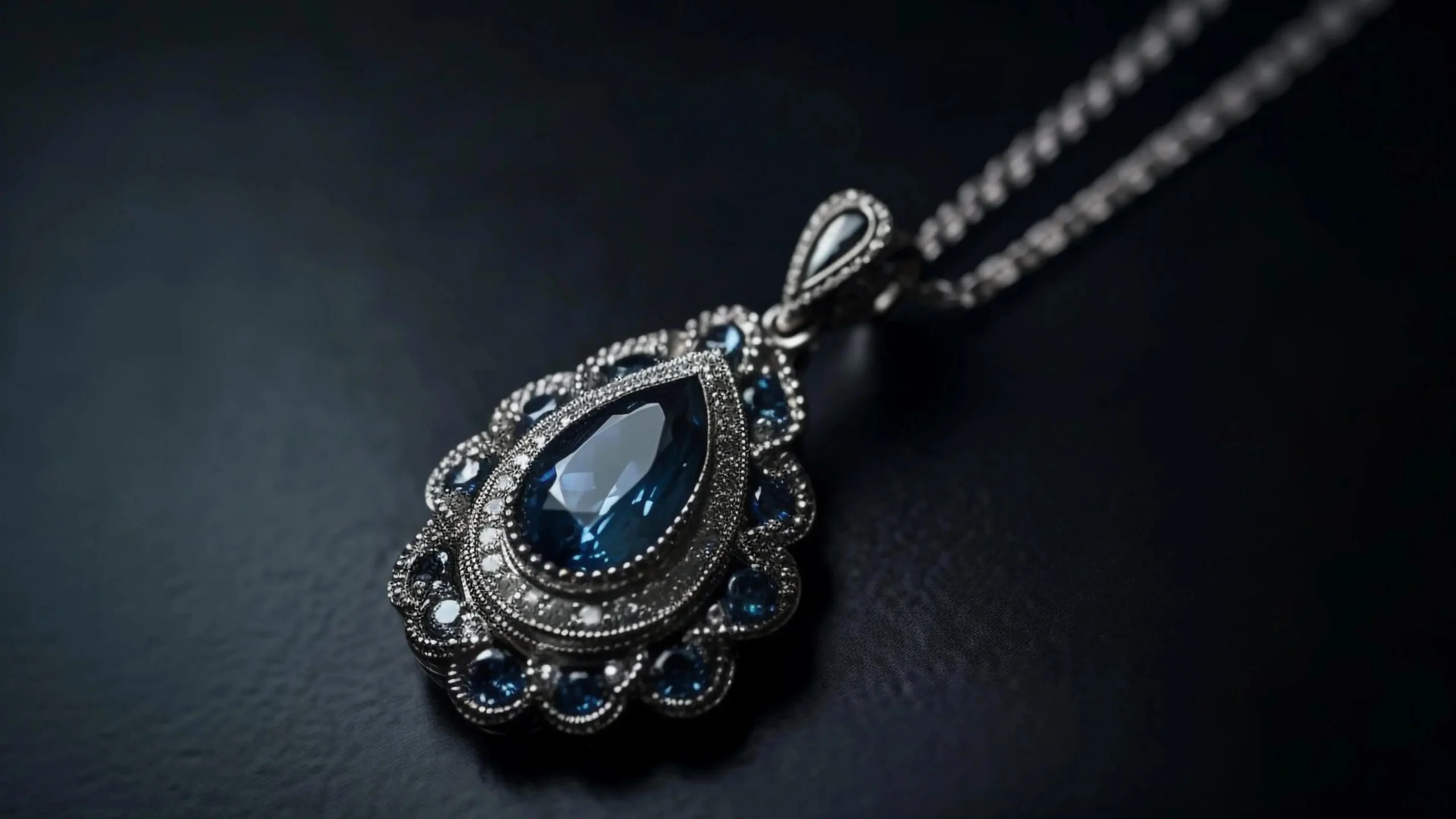
In the following, we will talk about other jewelry suitable for world investment.
Jewelry is more than just a fashion accessory – it can also be a smart investment. If you're considering adding some sparkle to your investment portfolio, these four types of jewelry are worth considering.
Gold as an Investment
Everyone knows it and almost everyone owns a piece of jewelry made of gold. A real classic that suits every occasion and outfit and is a good investment, provided it is real gold. Gold remains gold and maintains its value over time, although there are temporary fluctuations, but on a long investment horizon of more than 10 years, gold has always been worth more in the past.
Development of the gold price over the last 20 years
(source: Gainesvillecoins.com)
Every real piece of jewelry should have a so-called embossing. This embossing is also called hallmark or gold stamp. The stamped number gives information about the value of the precious metal used. The number indicates the gold content in percent, i.e., 585 gold has a gold content of 55 percent (this corresponds to 14 carats) and 750 gold has a gold content of 75% (this corresponds to 18 carats). The purest and highest quality gold available on the market has a gold content of 99% (this corresponds to 24 carats). This gold is called fine gold and is what is used for gold coins and gold bars. Mostly, fine gold is used as investment gold, but it is also used in particularly fine jewelry.
Gold can be "mixed" with other precious metals, such as copper, silver, platinum and palladium. This is then referred to as an alloy. This in no way represents a reduction in value. On the contrary. The mixing of different precious metals is necessary to obtain different shades and qualities. Depending on the proportion of gold, not only the color changes, but also the hardness, malleability, and resilience. For pieces of jewelry that are to be worn permanently, such as wedding rings, and thus experience increased abrasion, 750 gold or gold-platinum alloys are suitable.
The higher the gold content, the higher the quality of the jewelry. So if you are thinking about gold jewelry as an investment, you should buy at least 14-karat gold jewelry or, if possible, even 18- or 24-karat jewelry. Here, the color alloy does not matter. Both a noble chain from rose gold, a timeless bangle from yellow gold as well as a decorative ring from white gold are good investments.
Gold is still a guarantee for stable purchasing power and has proven to be an inflation-proof and risk-free investment.
Real jewelry in gold
(Source: The CEO Magazine)
Silver as an investment
Who does not know it, the noble silverware, which is taken out and polished on special occasions. Even today, candlesticks made of genuine silver belong to a festively set table. Silverware has always been considered a reliable investment and in many families, it is still passed down from generation to generation.
Just as with gold jewelry, a silver stamp, also called an embossing or hallmark, provides information about the silver content in each piece of jewelry. Since pure silver is too soft, it is often alloyed, that is, mixed with other precious metals. The most common silver alloys have 800, 835, 925 and 935 thousandths of silver.
Probably the best-known silver is the so-called sterling silver, also called "standard silver". Sterling silver is 95% silver and 5% copper. Silver flatware as well as men, women and children jewelry is most often made of 92
999 silver has a silver content of 99%. So-called fine silver is less suitable for making jewelry because it is too soft. However, fine silver is best suited as a store of value, which is why it is used to make silver coins and silver bullion.
Compared to gold, silver is less suitable as a store of value. Silver has the advantage of being cheaper than gold. So if you don't have that much capital to start with to jump right into more expensive precious metals, silver is a good start. With silver jewelry, as with any piece of jewelry, you will of course pay more than the pure silver price because it is more costly to manufacture.
Platinum as an investment
Those who associate the terms "investment" and "precious metals" with each other usually only think of gold and silver. However, in addition to these two traditional precious metals, platinum is also becoming increasingly popular, because it is not only used to produce jewelry, but also has an important place in industry.
Both gold and silver, as well as platinum, are rare precious metals that already experience a steady increase in value due to their rarity alone. A large part of platinum is used in industry, for example to produce catalytic converters for diesel vehicles. The value therefore also stands and falls with the demand of the industry. Platinum is certainly less suitable as a sole investment, but to diversify your precious metals portfolio, it is definitely worth a second look.
Platinum jewelry is recommended as a crisis-proof investment because it is the most precious and durable of all metals. It is best suited to remain in excellent condition for generations. Platinum is very stable in value.
Only fine platinum and platinum 950 as well as gold in the alloy 750 are processed in the German jewelry manufactory. An investment of value is only an investment of value if it stands the test of time and lasts a long time. Accordingly, not only material and aesthetics play a central role, but also the craftsmanship behind it.
High quality jewelry in platinum
(Source: The New York Times)
Luxury watches as an investment
In addition to jewelry, there is of course another very worthwhile investment: watches.
There is hardly anyone who has not heard of Breitling, Rolex, Tag Heuer, Cartier and Montblanc, or already owns one or more examples of these noble time counters.
Vintage luxury watches from well-known manufacturers are coveted collector items and are not only consistent in value, but they also even promise to increase in value more than some other jewelry. However, it takes a while for this to happen. Watches, unlike jewelry, are therefore recommended as a long-term investment.
It often takes years or even decades until a watch has such a high collector value that it even exceeds its original purchase price many times over. Vintage watches that cost a few hundred or thousand euros to purchase can fetch tens or hundreds of thousands of euros at jewelry auctions. Many jewelers also offer vintage watches.
If you are considering purchasing a watch as an investment, there are some important points to consider:
Watches as investment: Average prices of the top 10 luxury watch brands
(source: chrono24)
Investing in jewelry has many advantages, below is a brief overview of them.
Pros of investing in jewelry
High-end Jewelry with Gemstones
(Source: Chaumet)
Cons of investing in jewelry
High-end Diamond Jewelry
(source: GIA)
Recommendations for those considering jewelry as an investment
Si quieres conocer otros artículos parecidos a Invertir en joyas para emprendedores puedes visitar la categoría Finanzas / Inversiones.